DiabeCode Capsule Review: Price in India, 11 Ingredients, Medicine Interactions & Original vs Fake
DiabeCode capsule (Absolute herbal wellness
on the pack) is a food supplement with nine herbal extracts and two probiotics — 20 capsules, 2 a day, 10 days per pack. One ingredient changes everything about its safety: St. John’s wort, a herb that weakens many common medicines. If you take any regular medicine, read the safety section before ordering.
Quick answer
- What it is
- A herbal supplement: 9 plant extracts (incl. St. John’s wort, methi, giloy) + 2 probiotics
- Brand on the pack
- DiabeCode, green-and-white pack with a red drop, 20 caps
- Price
- ₹2,490 per pack of 20 capsules
- How to take
- 2 capsules a day after meals
- One pack lasts
- 10 days
- Is it a medicine?
- No — a food supplement, not for medicinal use
DiabeCode is not a diabetes medicine — and not ANC DiabeCode 750 mg
Marketplaces sell another product with almost the same name: ANC DiabeCode, 60 capsules of 750 mg. The pack, count and contents differ. This review covers DiabeCode, 20 caps, in a green-and-white box with a red drop.
| Name | What it is | How to tell them apart |
|---|---|---|
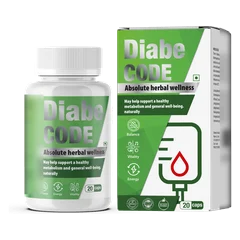
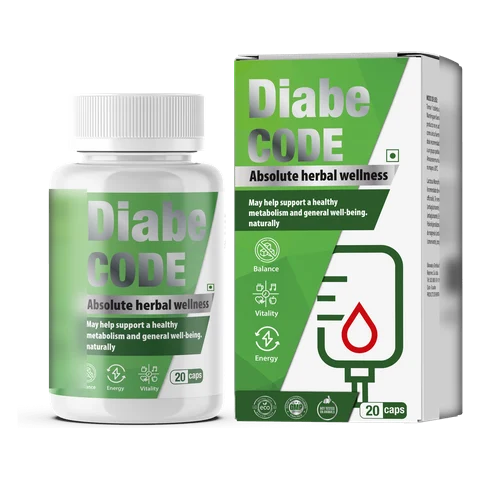
| DiabeCode capsule (this page) | Herbal food supplement, 20 capsules | White bottle with a green lid, “Diabe CODE” in silver letters, “20 caps” |
| ANC DiabeCode 750 mg, 60 capsules (Amazon, Flipkart) | Another supplement | Different maker, 60 capsules instead of 20, different label |
| Prescription diabetes tablets | Medicines prescribed by a doctor | DiabeCode is a supplement; it does not replace any diabetes medicine |
| Foreign pages selling “Diabecode” | Other markets | Sites for other countries; prices and products differ |
DiabeCode capsule: real photos of the pack
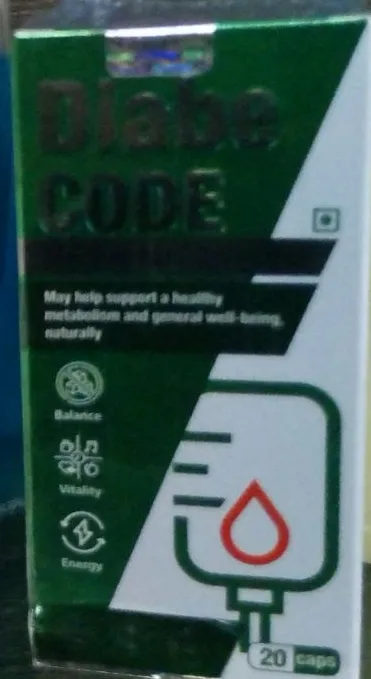
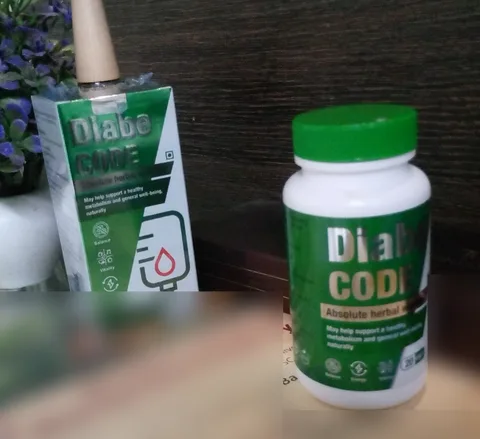
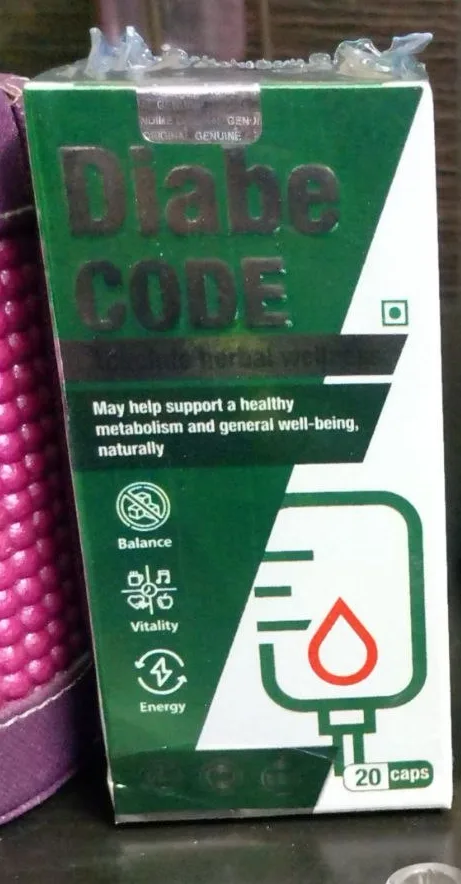
Photos of the pack as it arrives. Other brands and labels in the background are blurred or cropped.
DiabeCode capsule price in India and how to order
₹2,490 is the offer price for one pack of 20 capsules. Decide how many packs you want before the confirmation call.
What happens after you order
- A consultant from the seller calls you on the number you entered.
- You confirm the number of packs, the price and your delivery address on the call.
- The seller ships the order by courier; payment and delivery terms are confirmed on the call.
Sold in pharmacies or on Amazon? The offer we review is sold only through the seller’s order line. Listings with a similar name on marketplaces may be a different product — compare the pack before you pay.
What does the DiabeCode pack say it is for?
The pack says DiabeCode may help support a healthy metabolism and general well-being, naturally
, with the tagline Absolute herbal wellness
and three icons — Balance, Vitality, Energy. These are the maker’s words on the box; we do not confirm them.
The name and the blood-drop drawing suggest blood sugar, but nothing on the label presents it as a diabetes medicine — and it must not be used as one. Diabetes treatment is decided with your doctor.
DiabeCode capsule ingredients
Eleven ingredients are listed. Amounts were not provided.
- Graviola / soursop (Lakshman phal) extractAnnona muricata
From a tropical fruit tree.
- Tragacanth (gond katira) extractAstragalus gummifer
A natural gum from Astragalus shrubs.
- Barberry (daruhaldi) extractBerberis vulgaris
Contains berberine.
- Dandelion extractTaraxacum officinale
The common yellow-flowered plant.
- Fenugreek (methi) extractTrigonella foenum-graecum
The familiar kitchen seed.
- Giloy (guduchi) extractTinospora cordifolia
A climbing plant widely used in India.
- Gymnema (gudmar) extractGymnema sylvestre
An Ayurvedic climbing plant.
- St. John's wort extractHypericum perforatum
A European flowering herb known for its many medicine interactions.
- Lesser yam extractDioscorea esculenta
An edible yam (Dioscorea esculenta).
- Lactobacillus acidophilus
A probiotic bacterium found in curd.
- Bifidobacterium bifidum
A probiotic bacterium.
The seller has not shared the milligram amounts yet. We list only what is confirmed and will add the amounts when the full label is available.
How to take DiabeCode capsule
- Take 2 capsules a day after meals, as the label says (for example 1 after breakfast and 1 after dinner).
- Do not exceed 2 capsules a day.
- Before the first capsule, check the medicine list in the safety section below.
- Keep taking prescribed medicines as your doctor advised.
One pack lasts 10 days.
DiabeCode capsule side effects and who should not take it
St. John’s wort: the most important warning on this page
St. John’s wort makes the body clear many medicines faster, so they work less well. Medicines affected include birth-control pills, warfarin and other blood thinners, digoxin, cyclosporine and tacrolimus, HIV medicines, some cancer medicines, some statins and some epilepsy medicines. Taken with antidepressants (SSRIs, SNRIs) or migraine triptans it can cause serotonin syndrome. It also makes skin more sensitive to sunlight. If you take any regular medicine, do not start DiabeCode without asking your doctor.
If you have diabetes
- Do not stop or change your diabetes treatment — metformin, glimepiride, gliclazide, sitagliptin, voglibose, insulin or any other — without your doctor. Tell the doctor you are thinking of taking a herbal capsule.
- Low sugar (hypoglycaemia) risk. Fenugreek, gymnema and barberry have been studied for their effect on blood sugar. Together with diabetes medicines this can push sugar too low. Check your sugar more often in the first weeks.
- Signs of low sugar: sweating, shaking, a fast heartbeat, sudden hunger, confusion. Take about 15 g of fast sugar (glucose, a glass of juice) and check again after 15 minutes; if you do not feel better, see a doctor.
Who should not take it
- Pregnant or breastfeeding women, and anyone planning a pregnancy without a doctor’s advice.
- Children.
- People allergic to fenugreek — the allergy can cross over with peanuts and chickpeas.
- People with liver or kidney disease — only after talking to a doctor.
Medicines to watch
- Blood thinners and anti-platelet medicines (warfarin, aspirin, clopidogrel): fenugreek may add to their effect. Stop the capsule two weeks before planned surgery.
- Barberry contains berberine, which interacts with several medicines (for example cyclosporine and some sedatives). If you take any regular medicine, ask your doctor first.
When to call for help
Low sugar with fainting or fits, signs of ketoacidosis (nausea, vomiting, fruity smell on the breath, fast breathing, drowsiness) or a very high reading on your glucometer are emergencies: call 112 or an ambulance on 108.
More cautions for DiabeCode’s ingredients
- Giloy: Indian doctors have reported cases of liver injury after giloy use. People with liver disease or autoimmune disease — only with a doctor.
- Graviola: long-term use has been linked to nerve problems; not for people with Parkinson’s disease or similar disorders.
- Dandelion: may interact with water tablets, lithium and potassium-sparing medicines; allergy possible in people allergic to ragweed or chamomile.
- Probiotics: people with weak immunity or on chemotherapy — only with a doctor.
What the research says about these ingredients
There is no study of DiabeCode itself. The US National Center for Complementary and Integrative Health concludes that no herbal supplement has been shown to control diabetes. Fenugreek, gymnema and berberine-containing barberry have small studies with mixed results; graviola, dandelion, tragacanth and lesser yam have little or no human research on blood sugar.
What is well documented is the safety side: St. John’s wort’s drug interactions are among the best-known of any herb, and giloy-related liver injury has been described in Indian case series.
Independent sources: NCCIH — St. John’s wort · NCCIH — Diabetes and supplements
DiabeCode capsule honest review: pros and cons
DiabeCode has the longest ingredient list in our reviews — and the most serious interaction risk.
Pros
- Full list of 11 ingredients on the pack.
- Gentle wording on the box (“may help support”).
- Includes familiar Indian herbs such as methi and giloy.
- Two capsules a day.
Cons
- St. John’s wort can weaken many common medicines, including the pill and blood thinners.
- Giloy has documented cases of liver injury in India.
- No milligram amounts for any of the 11 ingredients.
- No evidence of any effect on blood sugar, despite the name.
- Easily confused with ANC DiabeCode 750 mg.
Original DiabeCode capsule vs fake
- White bottle with a green lid; “Diabe CODE” in large silver-grey letters on a green background; “20 caps”.
- Box: green top with the same name, a white lower part with a green drip-bag drawing and a red drop.
- Small badges at the bottom of the box: eco, GMP, “not tested on animals”.
- Check MRP, batch number, dates and the FSSAI licence on the pack; pay only on delivery.
An FSSAI licence number must be printed on the label — check it before you pay.
DiabeCode capsule: questions people ask
What is DiabeCode used for, according to the pack?
The box says it may help support a healthy metabolism and general well-being
. That is the maker’s claim. DiabeCode is not a diabetes medicine.
Can I take DiabeCode with metformin or insulin?
Only after asking your doctor. Several ingredients can add to diabetes medicines, and St. John’s wort interacts with many other drugs.
Can I take DiabeCode with birth-control pills?
No, not without a doctor. St. John’s wort can make the pill less effective.
Is DiabeCode the same as ANC DiabeCode 750 mg?
No. ANC DiabeCode is a 60-capsule product from another maker.
What are the side effects of DiabeCode?
No product data has been published. Known ingredient risks: medicine interactions and sun sensitivity (St. John’s wort), rare liver injury (giloy), low sugar together with diabetes medicines, allergy to fenugreek or dandelion.
How long does one pack last?
10 days at 2 capsules a day.
Is DiabeCode safe in pregnancy?
No. Fenugreek, barberry and St. John’s wort are not recommended in pregnancy or while breastfeeding.
 Diabeet capsule
 Proman Ultra capsule
 Metabon capsule